
Pesticide Drift: Risks and Practical Considerations for Farmers
By admin
•
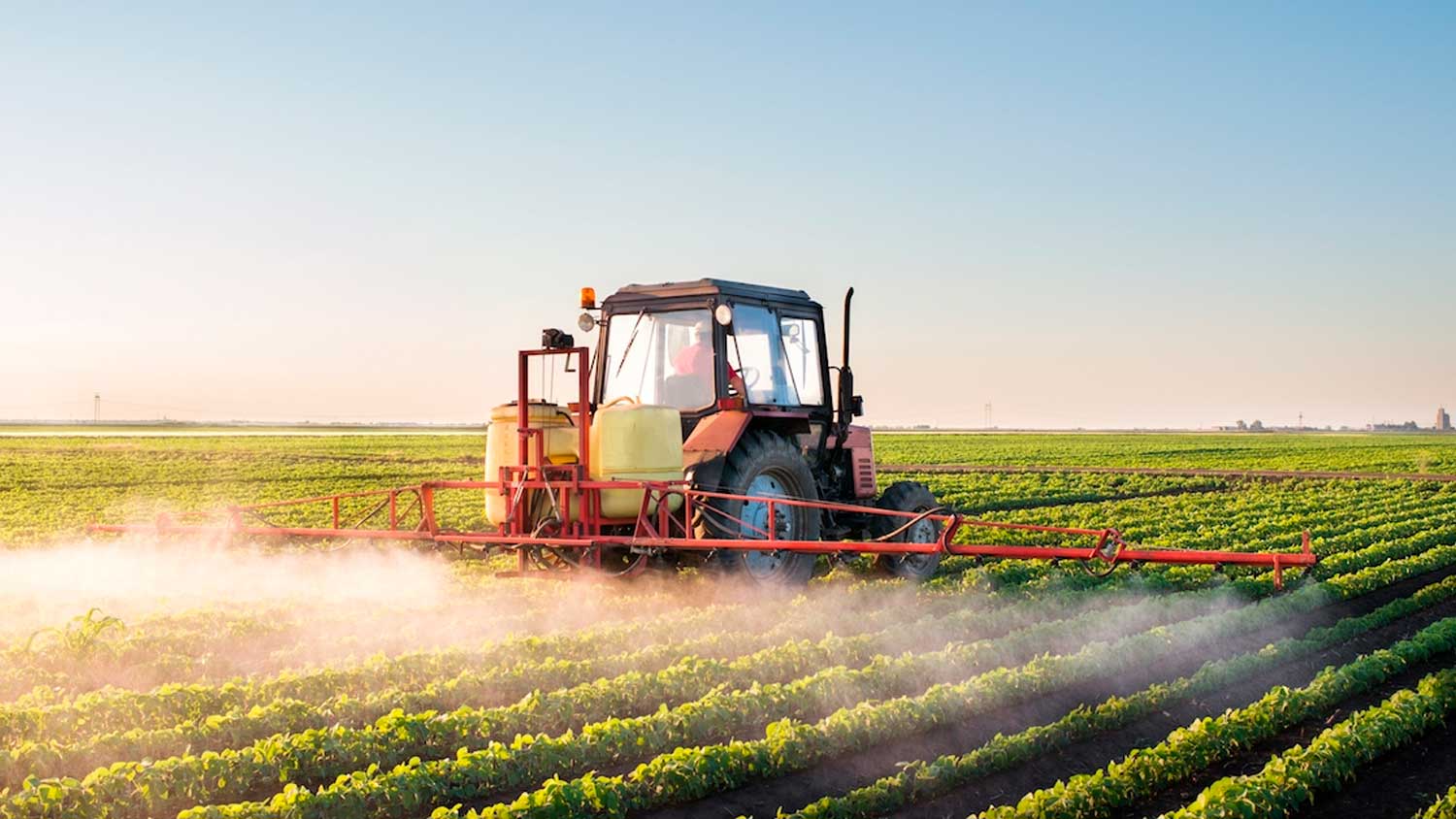
Pesticide drift refers to the unintentional movement of pesticide droplets or vapors from the target application site to nearby areas. This can affect neighboring homes, schools, and even adjacent farmland, causing serious health and environmental concerns.
Importance for Farmers
In high-production regions like California’s San Joaquin Valley, farmers apply millions of pounds of pesticides using planes, tractors, and irrigation systems. Most pesticides volatilize within 8–24 hours after application, spreading as gases or particles into residential areas and neighboring fields. (Orion Magazine
)
Health and Environmental Impacts
Human health: headaches, dizziness, nausea, long-term risks including cancer and reproductive issues.
Environment: soil and water contamination, loss of biodiversity.
Farmworkers: direct contact increases exposure risk significantly.
Conclusions and Practical Recommendations
Drift can occur beyond a farmer’s control, so monitoring weather conditions and documenting spraying operations is essential.
Choosing low-wind days and using larger spray droplets can reduce drift.
Cooperating with local agencies and following safety training ensures protection for workers and neighbors.
Ultimately, safeguarding human health and the environment should go hand-in-hand with achieving high crop yields.
Source: Orion Magazine – Pesticide Drift (orionmagazine.org
)